How to Turn College Classmates into Real Friends

The first week of classes is over, and you still have not found a best friend. Sounds familiar? Then relax. That is exactly how it should be.
There is a myth that almost all freshmen believe for some reason: true friendship is born instantly. You sit next to someone in class, exchange a couple of phrases, and that is it - you are friends for life. In reality, it does not work that way. Friendship is not a flash, but a process. It is built from dozens of small moments: casual conversations, shared lunches, and jokes that gradually become inside jokes.
The people you sit next to at a lecture are just classmates for now. This status is normal and legitimate; it is just an earlier stage. A month, or even a whole semester, can pass between “we listen to a lecture together” and “we are friends.” There is no need to rush.
The Pressure of Meeting People in College First Week
The first week of college is structured cruelly: everyone around you looks like they have already found their squad. In stories, there are parties; in group chats, there are conversations where everyone clearly already knows each other. And you sit there thinking, “Something is wrong with me.”
Everything is fine with you. Social media only shows the loudest layer of acquaintances - those who quickly bond through parties or hometown associations. This does not mean they have found true friends. Often, these are noisy groups that will fall apart by November.
Why do freshmen worry so much about the speed of making acquaintances? Because the first week is perceived as a test of social competence. It seems that if you do not make friends immediately, you are doomed to loneliness for the entire year. This is false logic. A study on the magnitude of loneliness among university students showed that freshmen specifically face loneliness more often than senior students - simply because they have had less time to adapt to a new environment ( University of Gondar study ). This is a statistical norm, not your personal failure.
Not having a friend group in the first week does not make you an outcast. It makes you a normal person who just needs a little more time.
How to Make Friends as a College Freshman Step by Step
Knowing how to make friends in college is a question that does not have one magic answer, but it does have a working algorithm. Here it is, step by step.
- Step 1. Stop looking for a “best friend.” Just look for an interesting person with whom it is pleasant to spend five minutes. Scaling it down reduces the pressure.
- Step 2. Choose 2-3 people, not the entire class. When figuring out how to befriend a classmate, the idea is not to please everyone at once. It is enough to find one or two people with whom your communication pace matches.
- Step 3. Repeat contact. Friendship is built on repeated encounters, not on one brilliant conversation. If you see a person in class three times a week, that is already a ready-made foundation for a solid college friendship.
- Step 4. Suggest small steps. Do not say “let’s be friends,” but rather “do you want to grab coffee with me after class?”. A concrete and short proposal removes the awkwardness.
- Step 5. Accept that some attempts will not work out. This is normal: not every person will become your friend, and that is absolutely fine for both sides.
How to Talk to People in College before and after Class
Wondering how to start a conversation in class is a question that scares people more than it seems. In reality, the formula is simple: start with something neutral, then move on to something personal.

While waiting for the professor, ask: “What was the homework?” or “Did you manage to read the chapter?”. This is a safe, almost automatic question - almost everyone will answer it. After the answer, ask a follow-up question: “Do you even like this subject?”. This way, the conversation smoothly transitions from studies to opinions, and opinions are already personal.
From there, you can move deeper: “Have you decided on a major yet?”, “Where are you originally from, if it is not a secret?”. Each subsequent question is slightly more personal than the previous one - this is a natural ladder of getting closer, not an abrupt jump.
A similar scheme works after class, only a physical action is added - walking together to another building or to the cafeteria. Five minutes of walking side by side creates more intimacy than an hour of formal conversation, because the tension of “looking each other in the eye” is removed.
A small life hack: comment on the present moment, rather than inventing a topic. “It is hot today,” “the professor is especially strict today” - such phrases sound sincere precisely because they are tied to the moment.
Simple Rules for Meeting New People on Campus
The process of making friends on campus works better if you change locations. A lecture hall is a formal place where it is hard to relax. However, the library, cafeteria, and lounge areas work differently.
In the library, the rule is simple: do not sit in the farthest corner, but rather where someone is already sitting with similar textbooks. A shared subject is a ready-made reason for a conversation: “Are you taking this course too?”
A different trick works in the cafeteria - do not immediately sit at an empty table. If you see a familiar face from your course, ask: “Can I join you?”. This is a simple phrase, but it removes 90% of the awkwardness because it shifts the decision to both of you.

In lounge areas, people are usually more relaxed; it is easier to strike up a light conversation there - from the schedule to who lives where on campus. The process of how to meet people in college happens almost effortlessly if you simply end up in the same places regularly. A familiar face eventually stops being a stranger.
Let’s be real - hanging out in the library hoping someone talks to you only goes so far. If you want to speed things up a bit without losing your mind, joining a campus club is usually your best bet. But here is the catch: not all student groups work the same way. The vibe totally depends on what the club actually does. Pick something that matches how you naturally like to hang out, and the whole process gets way easier.
What to Expect When Making Friends in Different Campus Clubs
| Kind of Organization | What the Vibe is Actually Like | Who Should Join This | When You Will Make Real Friends |
|---|---|---|---|
| Hobby Groups (Board games, anime, baking) | Super chill and heavily focused on the activity itself. You barely even need to make small talk because you are too busy doing the actual hobby. | Introverts or anyone who totally hates awkward silences. You just let the activity do the talking. | Pretty slow. It takes a few weeks of showing up regularly before people start asking for your Instagram. |
| Intramural Sports (Dodgeball, frisbee) | Loud, sweaty, and usually pretty competitive (even if they claim it is just for fun). Winning and losing together forces everyone to bond. | High-energy people who want a guaranteed, built-in group to grab pizza with after a Thursday night game. | Really fast. You will probably have a messy, active group chat going by the second practice. |
| Academic & Career (Pre-med, debate, business) | A little stiff at first. Everyone is trying to look smart or build their resume. But once you get put into a group project together, the real personalities finally come out. | Planners and people who desperately want to find study buddies who will actually do the work. | Around midterms. The shared stress of a huge upcoming assignment is usually what finally breaks the ice. |
| Arts & Theater (Improv, campus magazine) | Intense and emotional. You spend crazy hours together practicing or editing, so personal boundaries drop pretty quickly. | Creative types who do not mind staying up until 2 AM painting sets or frantically fixing typos. | In random spikes. You might barely know someone on Tuesday, but by Saturday’s opening night, they feel like your closest friend. |
| Volunteer Work (Local tutoring, food drives) | Very grounded and supportive. You are focusing on helping other people, which takes the social pressure completely off you. | Anyone who gets easily overwhelmed by loud campus parties and just wants to meet genuinely nice, caring people. | Steady. Sorting donations or painting a fence next to the exact same person for a month naturally turns into a solid friendship. |
№№ How to Socialize in College without Feeling Exhausted There are students for whom figuring out how to make friends as an introvert in college sounds like a separate, difficult task. And this is fair: socialization physically works differently for introverts.
It is not about character or “shyness.” Researchers link this to the baseline arousal level of the nervous system: introverts reach the point of overload from external stimuli faster, whereas extroverts, on the contrary, require more stimulation ( an analysis of the 'social battery' concept ). Simply put, introverts have a smaller social battery - and this is physiology, not a flaw.
How to socialize without burning out:
- Plan your social interactions in blocks, rather than stretching them out over the whole day. An hour of intense conversation works better than six hours of small talk.
- Choose deep conversations over small talk. One-on-one communication is usually less energy-consuming than a group of five people.
- Set aside time to recover after socializing - this is not laziness, but a necessity.
- Do not compare your pace of socialization with someone else’s. An extrovert makes 10 acquaintances in a week, an introvert makes two, but strong ones. Both results are valid.
The question of why is it so hard to make friends in college for introverts is explained precisely by this discrepancy in pace: college is designed for an extroverted scenario, but you can still operate by your own rules.
How to Meet People in College Safely Online
If approaching someone in person is still scary, there is an intermediate step - starting online. This does not replace live communication, but it removes some of the pressure and helps you practice.
This is exactly the scenario for which yoursecret was created - an app from the developer Farnora Limited, focused on private, anonymous communication for Gen Z and students. The philosophy of the app is simple: “Match by Mindset” - matching based on thoughts, mood, and interests, rather than on photos, likes, and follower counts.
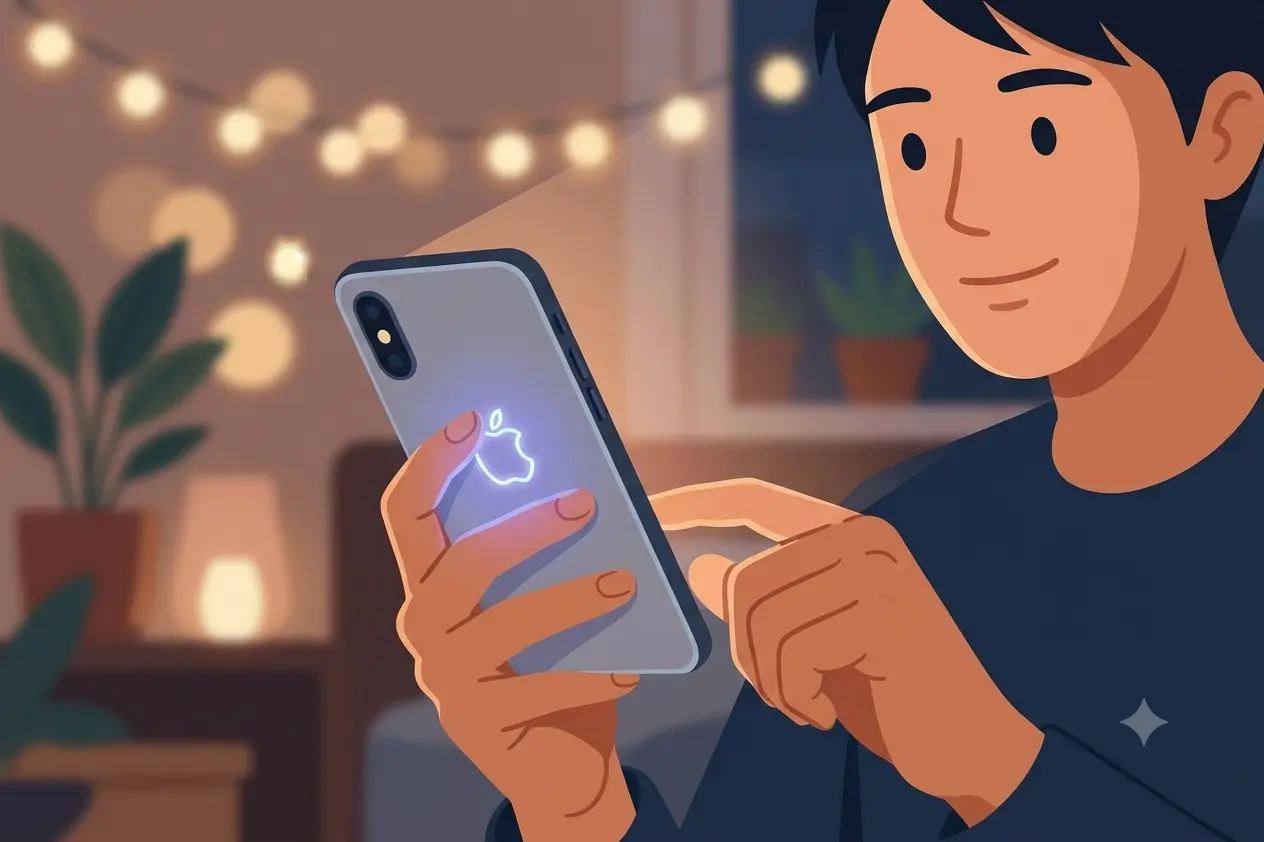
How it works. There are no profiles with photos on display - only private one-on-one conversations. The AI matchmaking system (Brain) finds a conversation partner based on their way of thinking, not their appearance. Messages disappear after 24 hours - no one will review the chat history months later, which means it is easier to speak more honestly. The format is especially useful for those who are tired of constant social evaluation on regular social networks.
For a freshman who is afraid to approach a classmate in person, an anonymous chat is a way to practice the very mechanics of a conversation: how to start, how to ask questions, how to react if the other person does not answer. This is a safe platform without the risk of an awkward encounter in the hallway after a failed dialogue. You can download the app in a couple of minutes - and try your first conversation tonight.
Fun Fact
Psychologists have noticed a curious effect: students most often make close friends not in the first week, but between the 4th and 8th weeks of the semester - this is exactly when the initial nervousness subsides and real, less “showy” conversations begin.
FAQ
How quickly can you find friends in college?
On average, it takes from one to two months. The first weeks are about getting to know faces, not people.
What should you do if there are still no friends after the first week?
It is nothing to worry about. This is statistically normal. Keep showing up in the same places - the library, the cafeteria, and classes.
How do you meet a classmate if you are afraid of seeming intrusive?
Start with a neutral question about your studies. No one perceives such a question as intrusiveness.
Can an introvert socialize normally in college?
Yes, but differently. Fewer people, more depth, and mandatory time to recover after socializing.
Does online communication help before meeting in person?
Yes, it is a good way to reduce anxiety and practice conversational skills in a safe environment.
Is it normal if your social circle changes during the year?
Absolutely. Initial acquaintances are often temporary - this is part of the process, not a sign that you are doing something wrong.
Friendship in your freshman year is a marathon, not a sprint. Do not compare your speed with someone else’s social media feed. Keep showing up, asking simple questions, and repeating contact - and true friendship will form on its own, without any rush.