Money Dysmorphia: Why Social Media Makes Everyone Look Rich
You open Instagram for a minute. An apartment with perfect morning light. A Pilates class before work. Someone’s second trip to Europe this summer. None of it looks crazy expensive on its own. Then you close the app and feel strangely behind, even though your rent is paid and nothing is actually wrong.
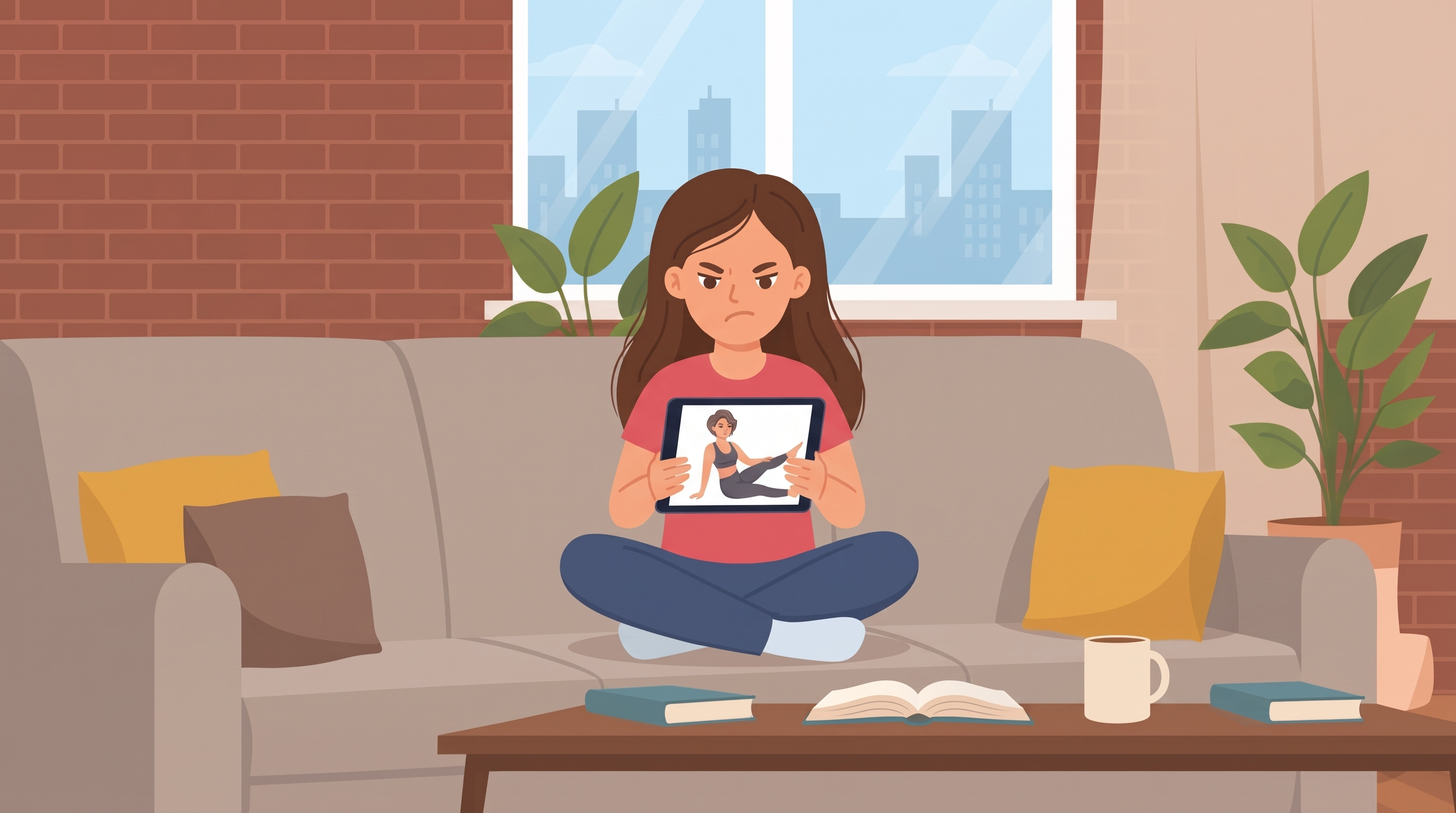
That gap has a name: money dysmorphia. It’s when your sense of your own finances drifts away from the real numbers, usually toward “I’m failing.” Social media speeds it up, because it makes an expensive life look like the default one. Below: what the term means, why the feed misleads, what the data says about young Americans’ money, and how to stop measuring yourself against strangers.
What Is Money Dysmorphia?
Money dysmorphia, sometimes called financial dysmorphia, is a distorted picture of where you stand with money. Some people feel broke while doing fine. Others feel richer than they are and overspend. It isn’t a medical diagnosis. It’s a media term for a very real perception gap, and that gap can turn into actual financial insecurity if it drives your choices.
Common signs:
- You feel broke even when your budget says you’re okay.
- Money anxiety spikes right after scrolling, not after checking your account.
- Emotional spending: you buy things to feel “on track” rather than because you need them.
- You avoid looking at your balance because it never feels like enough.
- You keep feeling behind in life, as if everyone your age figured it out first.
Social Media vs Reality: Why Everyone Online Looks Rich
For most of history, comparison was local. You compared your car with your neighbor’s and your vacation with your coworker’s. Keeping up with the Joneses meant one family down the street.
Now the Joneses number in the thousands, and nobody picked them for being typical. According to Pew Research Center , eight in ten Americans ages 18 to 29 use Instagram. The algorithm doesn’t need to show you an average life. It shows what keeps you watching, and that is usually the most polished version of somebody’s week.

Psychologists call this upward social comparison: measuring yourself against people who seem to be doing better. A luxury hotel most people visit once in their lives can appear in your feed daily, because every day someone else is there. The feed shows frequency, not probability. Your brain mixes the two up, and the bar for “normal” quietly rises. That’s how comparison culture works. You end up holding your messy, unedited life up against someone else’s highlight reel, and social media comparison becomes unfair before it even starts.
Wealth Became an Aesthetic
The old status symbols were loud: a sports car, a big logo. Today’s signals look like ordinary life. The old money aesthetic and quiet luxury trends sell a mood instead of a label: linen shirts, a minimalist apartment, the right coffee shop, the right gym, a ten-step skin-care routine.
This style is easy to copy without the savings that traditionally sat behind it. That’s why calling people “fake rich” misses the point. Most aren’t lying. They’re just showing the visible part of a life, and the visible part is what everyone else starts treating as the standard.
Financial FOMO and Gen Z Spending Habits
This kind of FOMO is the fear that everyone else is getting ahead with money while you stand still. In a March 2025 survey by Empower , nearly 70% of Gen Z respondents said they feel it while scrolling social media. One in five said it had pushed them to apply for a new credit card.
Here’s the twist: 86% of Gen Z respondents in the same survey said seeing other people’s financial milestones online motivates them to improve their own situation. Comparison can produce anxiety. It can also produce ambition. The same post about a friend’s first home might push one person to start saving and another into doom spending, the habit of buying things to cope with stress about the future.
So social media fomo doesn’t simply make people spend. It changes the environment where young people form their spending habits, and it adds a steady layer of social media pressure to decisions that used to be private.
What the Feed Doesn’t Show
Think of Instagram vs reality as two columns:
| What you see | What you don’t see |
|---|---|
| The new apartment | Whether parents help with rent |
| The weekend trip | The credit card balance after it |
| New sneakers and a new phone | Installment plans still running |
| Restaurant dinners | Whether there’s any emergency savings |
Official data shows how different the second column can be. The Federal Reserve found that only 37% of adults ages 18 to 29 had enough emergency savings to cover three months of expenses. In the same report, 22% of 18- to 29-year-olds used buy now, pay later services in the past year, and 32% of those young users paid late at least once.
Consumption isn’t wealth. Wealth is what you own minus what you owe, and a feed shows neither. It only shows spending.
Talking About Money Feelings Without Judgment
Money is one of the hardest things to be honest about, especially with people who follow your stories. Admitting envy or financial anxiety to a friend can feel like losing face. Yet saying it out loud is often what shrinks it.
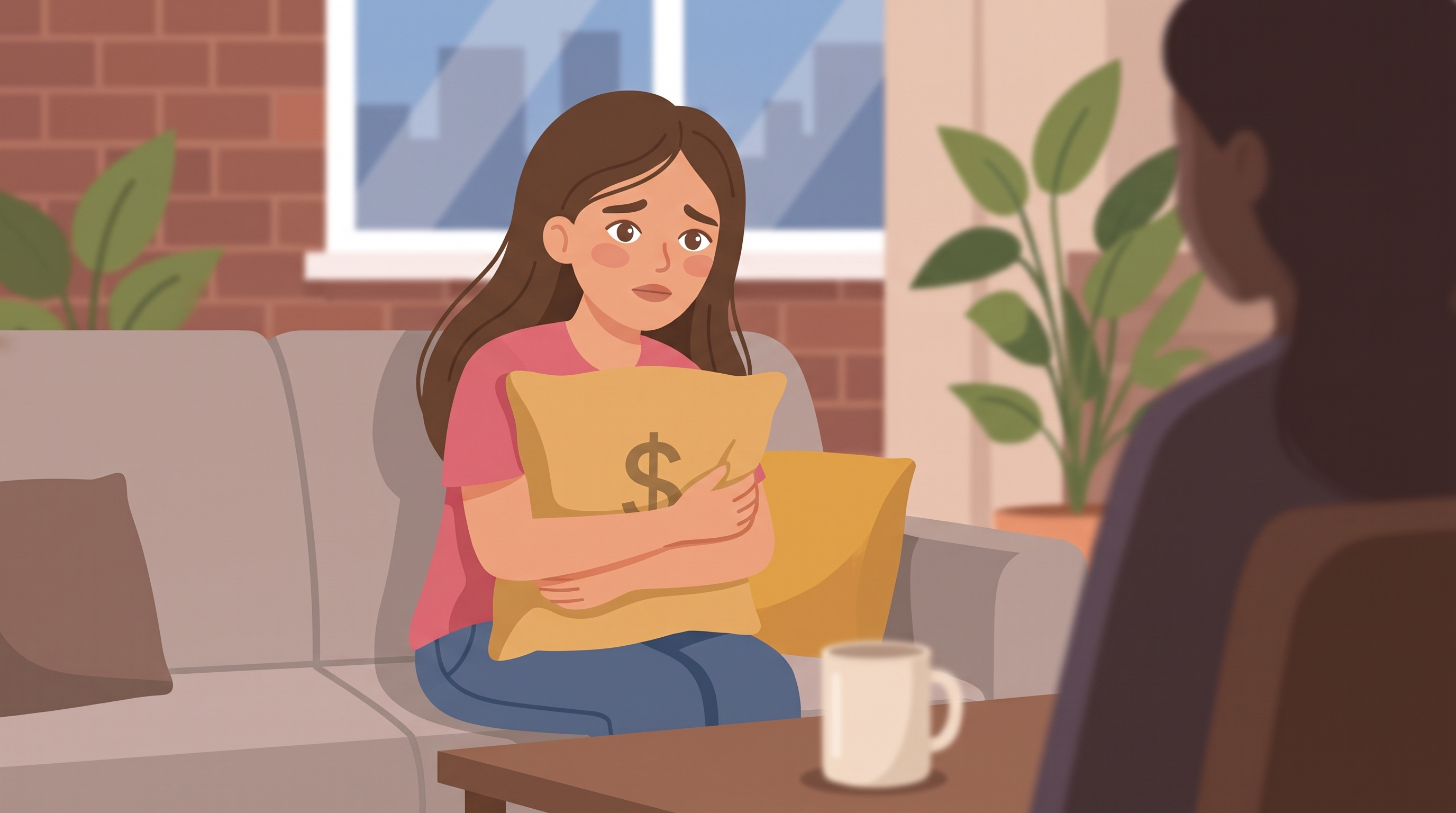
Sometimes it’s easier with someone who doesn’t know your life at all. That’s the idea behind yoursecret: instead of polished profiles, you share a thought, a mood, or a question, and the matching system suggests people who resonate with it. When the interest is mutual, a private one-on-one chat opens with no real names or personal photos, and messages clear from the chat after 24 hours. If you’d like to talk about money stress without anyone checking your Instagram afterward, download app and start with what’s been on your mind.
Talk about feelings, not numbers. Never share card details, account logins, or your exact income with someone you’ve just met online.
Fun Fact: The famous phrase about the Joneses comes from a newspaper comic strip by Arthur “Pop” Momand that started in 1913. The Joneses themselves never actually appeared in it. Readers only heard about them.
How to Stop Comparing Yourself to Others Online
You can’t delete comparison from your brain. You can make it fairer. Five steps that work in real life:
- Clean up your feed. Mute accounts that leave you feeling worse every time, even if you like the person.
- Ask about the invisible balance sheet. Before you envy a lifestyle, remember you’re seeing purchases, not debt, savings, or family help.
- Use a 24-hour rule. If you want something you saw online, wait a day. It’s the simplest answer to how to stop impulse buying, and it cuts impulse spending without any app.
- Talk numbers with friends. Loud budgeting, saying “I’m saving this month, so I’ll skip the concert,” makes honest choices normal.
- Define your own “enough.” Write down what a good month looks like for you, in your own terms.
It also helps to remember the stereotype is wrong. Gen Z money habits are more careful than the memes suggest. Deinfluencing videos talk people out of buying hyped products, the underconsumption core trend celebrates using what you already own, and Gen Z savings get more attention than the avocado-toast jokes admit: many young people are quietly building their first emergency fund.
Try this week: the next time a post makes you feel behind, write down one thing you can’t see about that person’s finances. Then check your own goals instead of their highlights.
Frequently Asked Questions
How would you explain money dysmorphia in simple words?
It’s a gap between your real finances and how you feel about them. You might feel broke while doing okay, or feel rich and overspend.
Is money dysmorphia a real mental health diagnosis?
No. It’s not a clinical term. It describes a common pattern, and if money worries affect your sleep or mood, talking to a professional is a good step.
Why do I feel anxious about money after using social media?
Because the feed surrounds you with the best moments of thousands of people. Comparing yourself to others at that scale makes an ordinary budget feel small.
Is buy now, pay later always a bad idea?
Not always. It can help spread a planned cost. The risk comes when several plans run at once or when it pays for things you couldn’t afford anyway.
How can I tell if I’m actually behind financially?
Look at facts, not feelings: whether you pay bills on time, whether you have some emergency savings, and whether your debt is shrinking. Those say more than any feed.
How do I stop feeling poor next to my friends?
Be honest about your budget, suggest plans that cost less, and remember that friends’ spending doesn’t show their debt or family support.
Social media shows how other people live. It rarely shows what those lives cost. Next time a post makes you feel behind, ask yourself one question: am I comparing myself with someone’s wealth, or just with the part of their spending I can see?