Tired of Texting First? What to Do in a One-Sided Friendship
You open the chat. Type something light - a meme, “how’s your week going,” some random thought from the shower. Hit send. Then you wait.
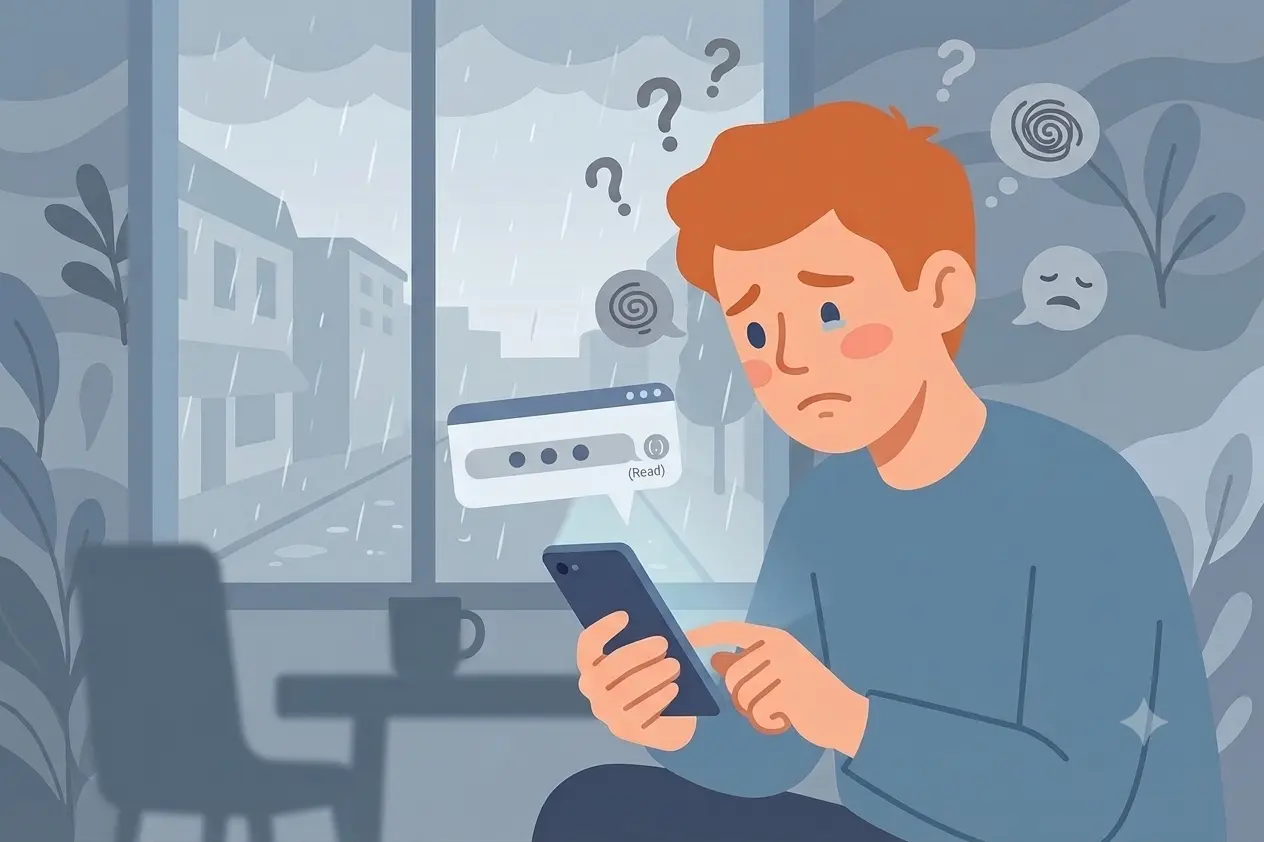
Hours later, maybe. Three words. Or nothing, until you cave and send a follow-up, gently checking if everything’s okay. Sound familiar? You’re not imagining this, and you’re definitely not the only one refreshing a chat that isn’t going anywhere. A yoursecret community post nailed it recently: “I didn’t lose the friendship. I just got tired of carrying it by myself.”
Why You Are Always the One to Reach Out
There’s a very particular exhaustion in being the default initiator. Every time. In every relationship. It builds up quietly - the weight of always going first, always softening the silence, always half-wondering if you’re annoying someone by existing in their inbox. No single unanswered text does this. It’s the accumulation. This is a one sided friendship, felt from the inside: no dramatic betrayal, just a slow, quiet erosion you can’t quite name until you name it. Your gut already knows what social exchange theory has a term for - relationships run on perceived balance. One person gives more, gets less back, and resentment shows up whether or not anyone says a word out loud. It doesn’t need to be spoken to be real. Texting makes the imbalance brutally visible, too. The read receipt. That “delivered” tag sitting there, unanswered. Three dots that appear, flicker, and vanish without a message ever landing. You watch that happen more times than you’d like to admit.
Clear Signs of a One Sided Friendship
Rarely one big red flag. The signs of a one sided friendship stack up in tiny, deniable moments instead - the kind you could explain away individually, but not once you line them up. You remember the birthday. You suggest the plan. You send the “thinking of you” text on the hard day. Try picturing them doing any of that for you, unprompted. Blank. Nothing comes to mind, and that’s the point. That gap - between what you give and what actually comes back - is the tell.
One Sided Text Conversations and Delayed Replies
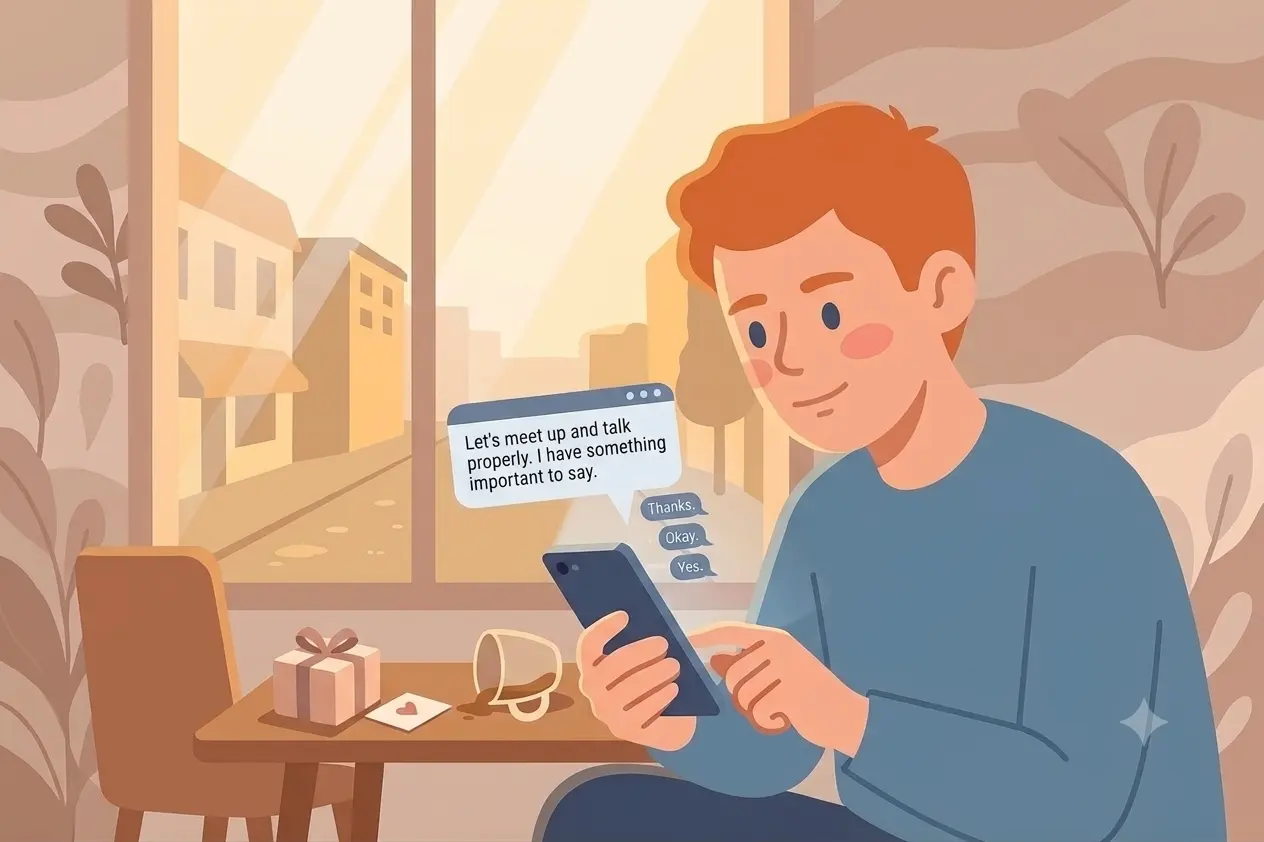
A slow reply on its own means nothing. Everyone’s got a packed week, a dead phone, a full plate. The pattern turns into a signal once the delay only runs one direction - your messages sit for days, while theirs, whenever they need something from you, get answered in minutes. One-sided text conversations can look completely fine on the surface. Friendly tone. The occasional emoji. But look closer. The initiating, the follow-up questions, the emotional labor of keeping the thread breathing - all of it lands on you.
Lack of Reciprocal Effort in Making Plans
Forget the texts for a second. Watch the plans instead. Do they ever suggest hanging out, or only ever respond to invitations you send? Researchers studying long-term friendships keep landing on the same finding: mutual effort, not just fondness, is what actually keeps a friendship alive over years, not just months. Take that away and you’re not maintaining a friendship together. You’re the only one holding it up, arms shaking, wondering when someone else will grab the other end.
What Happens When You Stop Always Reaching Out First
Here’s the experiment almost everyone in this position ends up running eventually, on purpose or by accident: you stop texting first. No announcement. No “let’s see what happens.” You just don’t send the next one.
Silence. That’s often the whole answer. Weeks go by. Nothing. A friendship that felt so alive when you were the one fueling it goes cold the second you stop supplying the fuel. Not a coincidence. Data. It tells you exactly where the relationship’s real center of gravity was sitting the whole time.

Sometimes it plays out differently, though - they notice, reach out confused or even a little hurt, and a real conversation finally becomes possible for the first time in a long time. Either way, you learn something you couldn’t have learned by staying quiet and hoping. Sitting in that uncertain in-between stretch can still feel unbearable, especially when your social battery’s already drained from managing this one connection solo, day after day, with nothing coming back to recharge it.
What to Do When You Always Text First
Wondering what to do when you always text first? Here’s a grounded approach - no torching the friendship, no passive-aggressive silent treatment either.
Say it plainly. Once. No accusation baked in. Something like “I’ve noticed I’m usually the one reaching out - I’d love it if that felt more even.” That one line opens a door instead of slamming it shut. Their reaction tells you almost everything.
Try an actual pause. Not a punishment - an experiment. Step back from being the default initiator for a few weeks. Pay attention. This is information gathering, not manipulation, about a pattern you genuinely can’t see clearly from inside it.
Redirect that initiating energy. Toward people who already give it back. Pouring your whole social battery into one draining connection leaves less for the friendships that would actually meet you halfway.
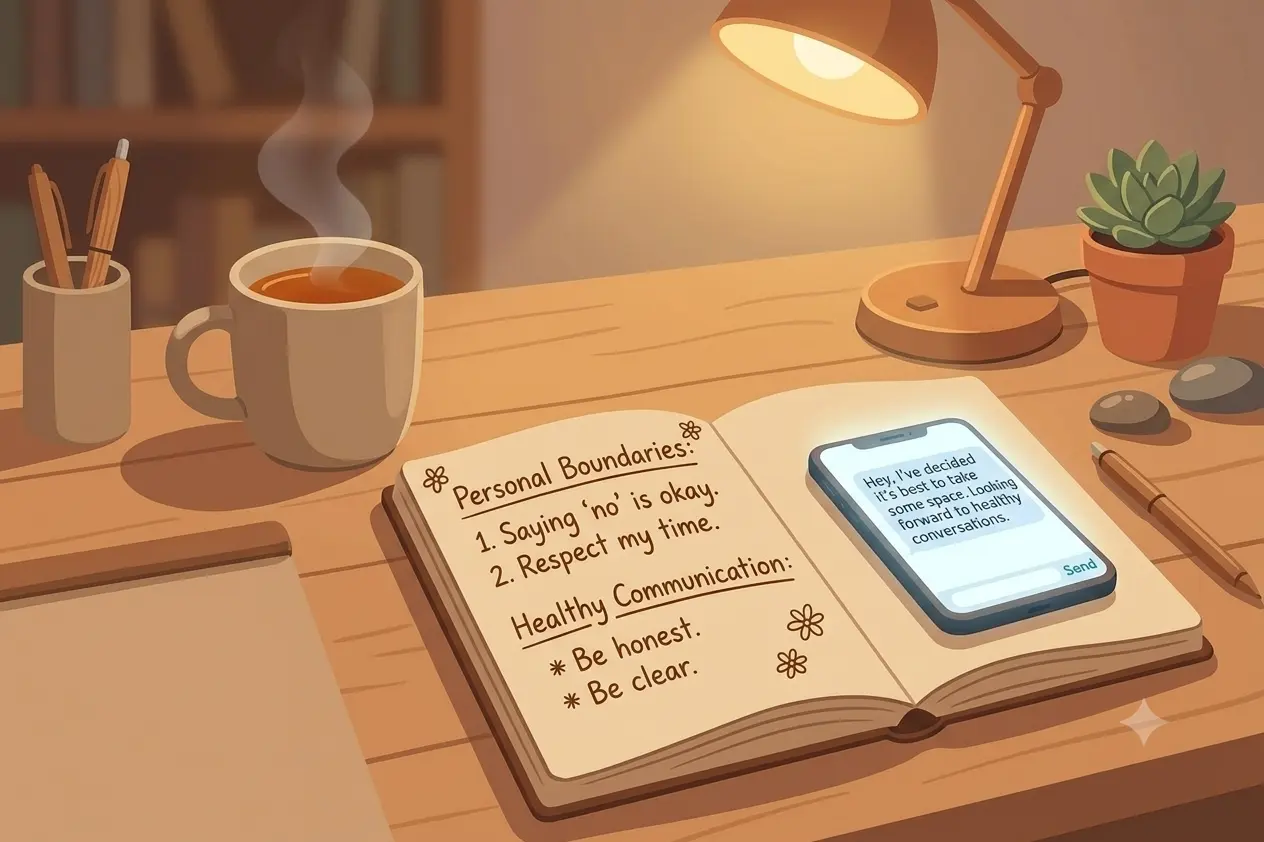
Find somewhere to process the confusion honestly. Somewhere that doesn’t demand you perform “I’m fine” for an audience, mask included. This is where an anonymous space genuinely helps - you can say the messy, unfiltered version of always initiating contact with someone who never reciprocates, without worrying it circles back to them or makes the next group hangout awkward. Sometimes you just need to say the ugly, petty, honest thoughts out loud to someone who isn’t in your friend group.
This is exactly the gap yoursecret was built to fill - a private, judgment-free space where you can vent about a one-sided friendship, get matched by mindset instead of mutual friends, and actually talk to someone who gets it before deciding what comes next. Want to try it? download the app and see how it feels to be heard without explaining the whole backstory first.
How to Move On and Find Reciprocal Connections
Not every one-sided friendship demands a dramatic conversation or a clean break. Sometimes it just needs less of your energy and more room for connections that already carry their own weight. Reciprocal friendships aren’t perfectly symmetrical - nobody’s literally counting texts - but they share one basic quality: both people show up unprompted, because they want to, not because someone’s keeping the thread alive out of habit or guilt.
Tired of texting first across the board, not just with this one person? That’s worth sitting with. Gently. Are you drawn to people who need chasing? Not self-blame - just useful self-knowledge.
The friendships that actually last are the ones where reaching out feels mutual, almost effortless. Not unpaid emotional labor. You deserve people who text back because they want to talk to you. Not because you finally guilted them into it. That’s the whole standard, really, and it’s not too much to ask.

Fun Fact: Psychologists have found people chronically underestimate how much others enjoy hearing from them - a phenomenon researchers call the “liking gap.” That awkward pause before hitting send? Statistically, they’re probably glad you did.
FAQ
Why am I always the one to reach out to my friends?
Often it’s personality. Highly conscientious or anxiously attached people tend to over-initiate just to avoid feeling forgotten. Sometimes it just means the other person’s comfortable letting you carry things.
Is it normal for friendships to feel one-sided sometimes?
Brief imbalances, sure - busy seasons happen. Months of the same pattern, though? That’s usually a real gap in investment, not a scheduling fluke.
Should I confront my friend about always texting first?
A calm, specific, non-accusatory conversation almost always beats silently stewing in resentment. How they react tells you whether this thing can actually rebalance.
What if I stop texting first and they never notice?
Useful information, honestly. It usually means the friendship was being carried almost entirely by your effort. Redirect that energy elsewhere - no guilt required.
How do I deal with the loneliness of a one-sided friendship?
Lean on people who reciprocate. Journal it out. Or use an anonymous outlet to process things honestly, without needing to protect the friendship’s image.
Can a one-sided friendship become balanced again?
Sometimes - especially if the other person genuinely didn’t see the imbalance. But it takes real, sustained change. Not one apology and the same old pattern. You’re allowed to want reciprocity. Wanting a text back, unprompted, isn’t needy. It’s just a reasonable baseline for a real friendship. And if you need somewhere to untangle it all first, honestly, without an audience - that space exists whenever you need it.