Why Being Lonely Doesn't Mean You Want an AI Companion
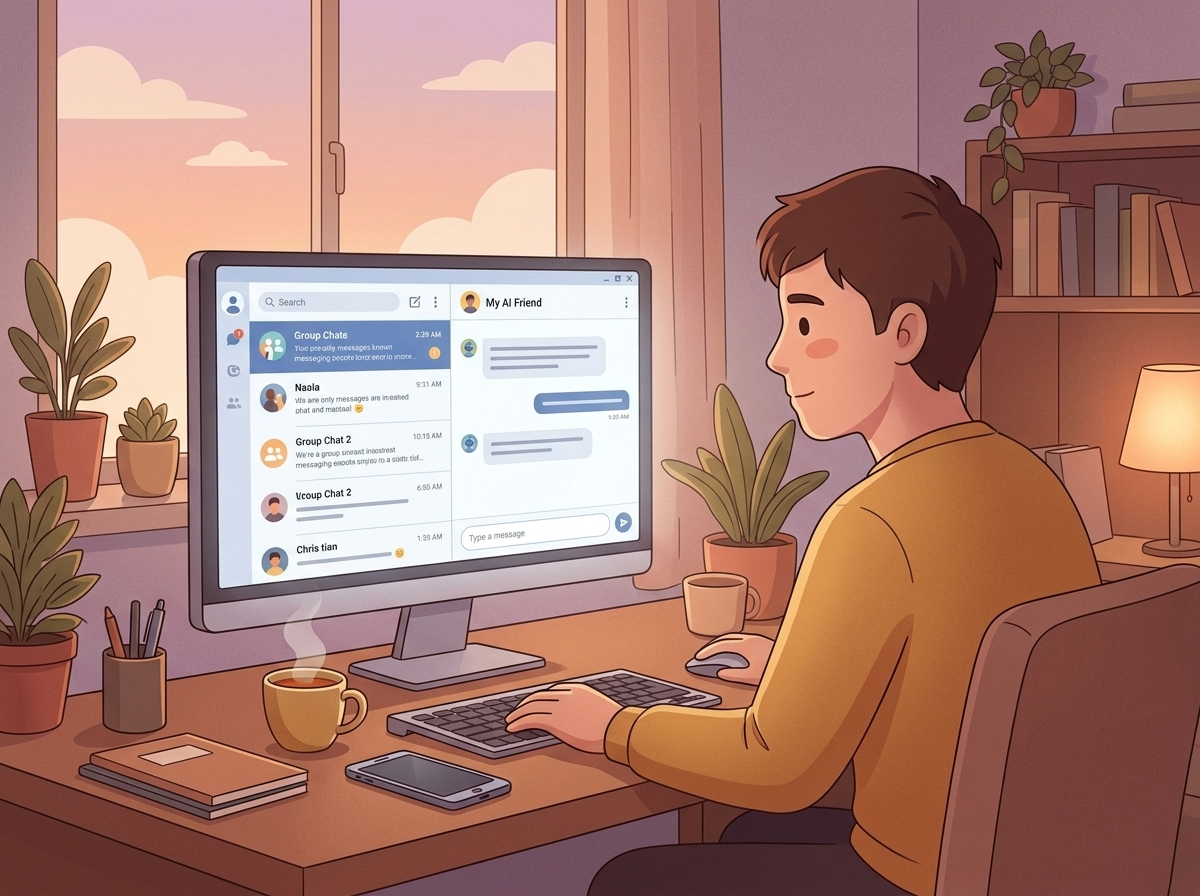
Here’s the assumption everyone makes: if you’re isolated enough, a chatbot starts looking like a decent substitute for a friend. Silicon Valley bet billions on it. Headlines keep repeating it. It’s mostly wrong.
New consumer research says the opposite is happening for a huge chunk of the population. People who feel the most alone aren’t rushing toward algorithms - they’re holding out for something real, even when it costs more or means sitting through an awkward first conversation. The question of can AI cure loneliness isn’t rhetorical anymore. It has an answer, and it’s messier than a press release.
The Loneliness Paradox: What Recent Research Reveals
A 2026 study in Psychology & Marketing looked at what happens when people reporting high loneliness are offered a menu of connection options - some human, some automated. Years of tech-industry messaging would predict a stampede toward whatever’s cheapest and always on. That’s not what the data showed.
Instead, participants experiencing more chronic loneliness placed a measurably higher value on human-mediated interaction - willing to pay more, wait longer, and put in more effort for an actual person than for a free, instant, endlessly patient bot. That’s the crux of the human connection vs ai debate: scarcity and effort aren’t bugs in human relationships. They’re part of what makes the connection worth having.
A separate 2026 paper in the Journal of Experimental Social Psychology tested something almost identical: does a random human stranger outperform a highly supportive chatbot at reducing loneliness over repeated sessions? The bot held its own short-term. Over time, the human peer won, and the gap widened. Novelty fades. Presence doesn’t.
The Trust Gap: Why Synthetic Empathy Falls Flat
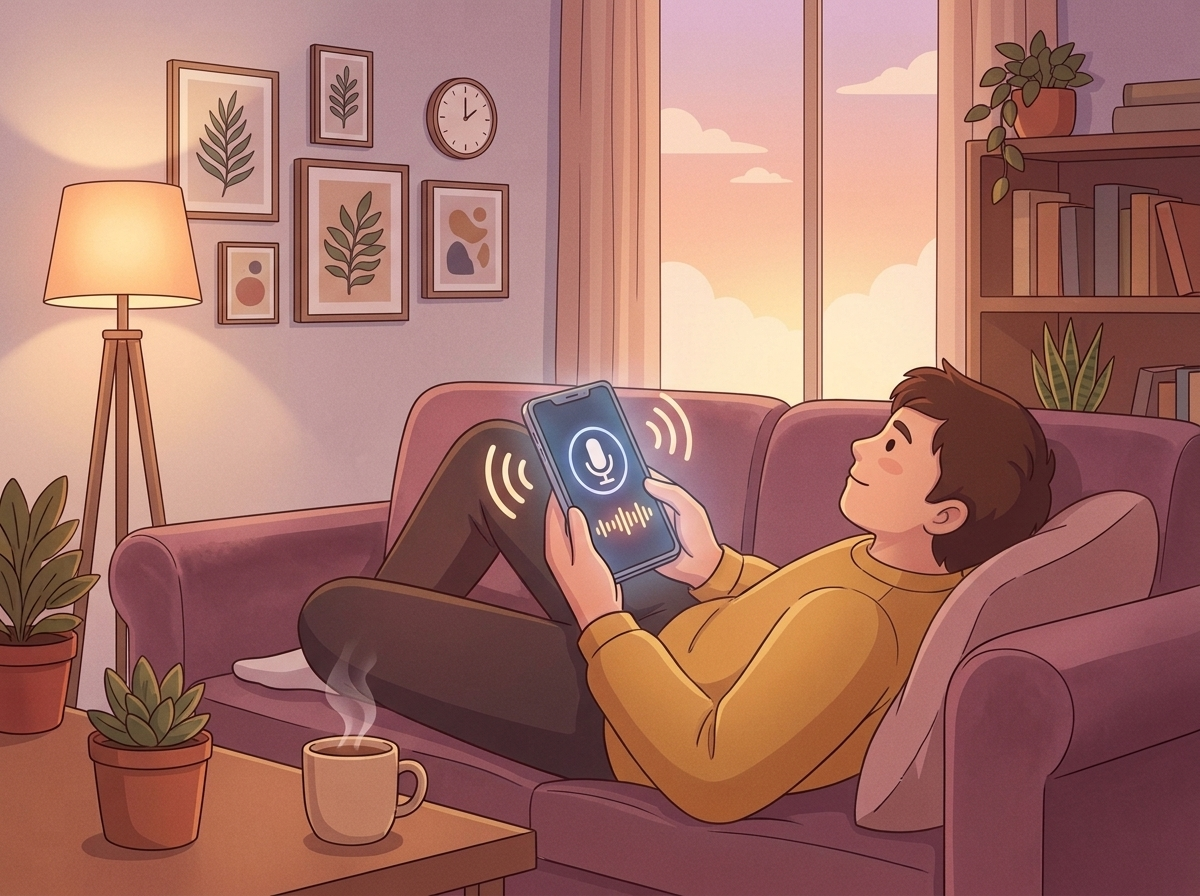
Here’s the mechanism researchers keep circling back to: trust isn’t built by responsiveness alone. It’s built by mutual risk. When you tell a friend something vulnerable, they could react badly, get bored, or simply forget. That exposure - theirs and yours - is what makes the moment mean something. A chatbot can’t take that risk. It has nothing to lose. Its “empathy” is a statistically optimized guess at what caring sounds like, generated in milliseconds, zero stakes attached. Your brain is good at clocking the difference between a relationship with skin in the game and one without. Warmth without vulnerability reads as hollow, even when the sentences are technically comforting.
This is also why ai companion loneliness research keeps surfacing a strange pattern: heavy users often report feeling temporarily soothed, then more isolated afterward. The comfort doesn’t compound. Real friendship does, because every honest exchange adds a small deposit of earned trust the next conversation can build on.

The Age Divide: Why Gen Z Demands Human Connection
The stereotype says young people, raised on screens, would be the most comfortable outsourcing intimacy to software. The research says the opposite, and it’s not close.
As the American Psychological Association has reported, older lonely adults, especially those with smaller social circles, report more comfort with AI companionship - predictable, low-effort, available at 3 a.m. without guilt. Lonely Gen Z users show the reverse pattern. Given a flawless bot reply versus a messy, real one from another 22-year-old, they pick messy - repeatedly, across samples.
That’s not nostalgia for a pre-digital world they never lived in. It’s closer to information. This generation has spent more cumulative hours evaluating synthetic content than any before it, and it shows in their radar for the fake.
Algorithmic Fatigue and the Hunger for Raw Authenticity
Filtered photos, scripted influencer captions, customer-service bots pretending to be human - Gen Z has been pattern-matching “synthetic” content since middle school. That trained skepticism doesn’t switch off just because the synthetic thing is now offering emotional support instead of selling a product.
Talking to an AI companion, for a lot of these users, feels like addressing a very articulate mirror. It reflects back exactly what you feed it - no independent perspective, no surprise, no one who existed before you opened the chat. Confirmation of your own worth, the actual thing loneliness is starving for, can only come from someone who isn’t obligated to give it and gives it anyway.
The Friction Dilemma: Why Frictionless Relationships Don’t Heal Us
AI companions are engineered to remove every point of friction. No scheduling conflicts. No bad moods. No disagreements that linger past the conversation. On paper, that sounds like the fix for loneliness. In practice, it’s closer to the cause.
Real closeness requires friction - someone occasionally unavailable, annoyed, or flat-out wrong about something, and the relationship surviving that anyway. Repair, the awkward “that thing you said actually bothered me” conversation, is where trust gets forged. An entity that never pushes back and agrees with everything can’t offer repair, because nothing ever actually ruptures. This is the sharpest edge of the ai vs human connection conversation: infinite availability isn’t infinite intimacy. A relationship with zero cost attached usually delivers proportionally little value, because your brain files “no effort required” and “not that important” in the same drawer.
Technology as a Bridge, Not the Destination
None of this makes technology the enemy of connection - it means the target keeps getting mixed up. There’s a real difference between isolation-by-substitution, where an app replaces the humans in your life, and technology-as-bridge, where an app’s entire job is getting two real people into the same conversation faster.
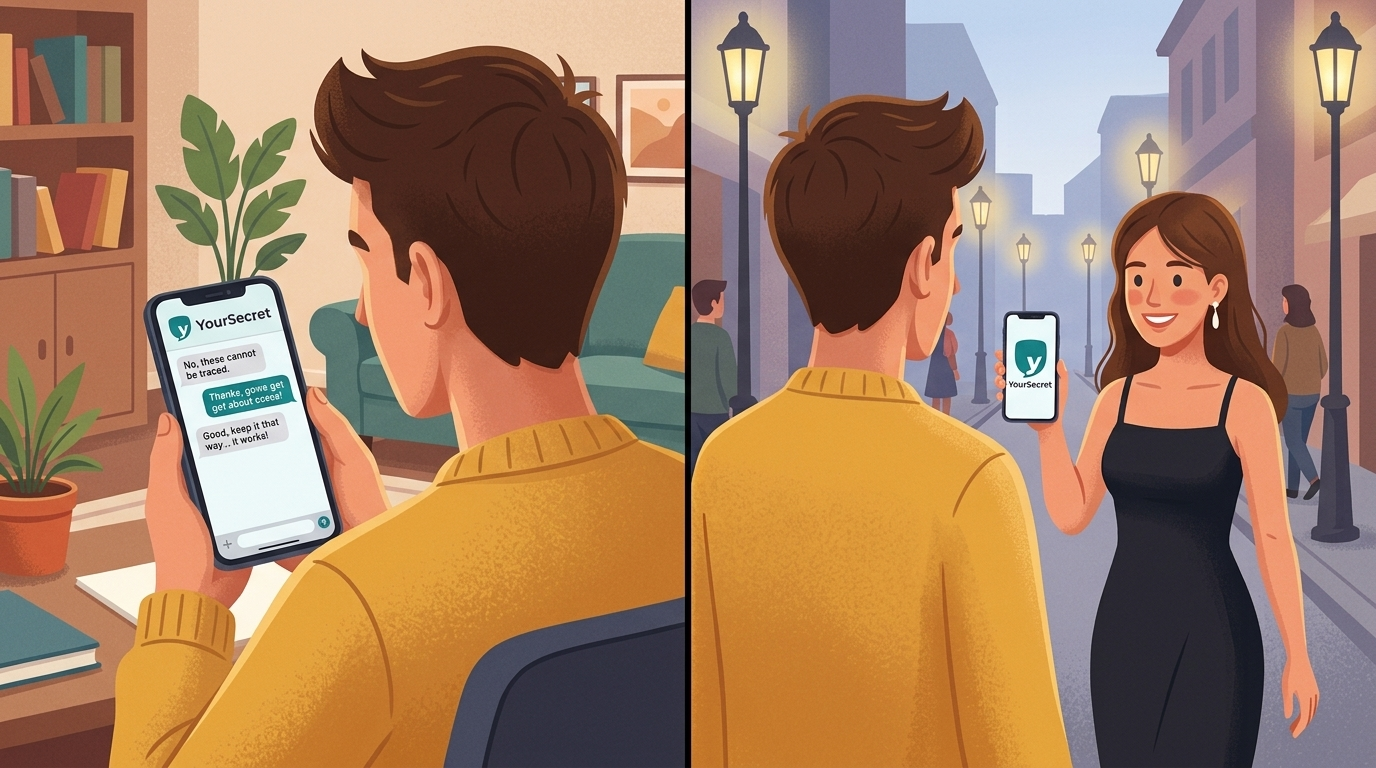
That second model is the premise behind YourSecret. The platform isn’t trying to be your friend. It’s trying to get out of the way as soon as it’s found someone worth talking to - someone who shares your specific weird taste in music, your particular anxieties, your sense of humor most people don’t get. The goal was never to keep you inside an app. It was to get you talking to a person who actually gets it, then step back.
How Mindset Matching Helps You Find Your Tribe
Small talk is the biggest tax on making new friends as an adult. Most platforms hand you a stranger and expect chemistry to appear out of nowhere. Mindset-based matching skips that by pairing people according to values and how they actually process the world - not surface stats like age range or zip code.
That shift matters more than it sounds. Social anxiety often comes from uncertainty: will this person get my references, is this worth the emotional investment. Matching on how people think, not just what they list as hobbies, cuts that uncertainty out before the first message ever gets sent. If you’re ready to try genuine mindset matching, you can download an app and start talking to people actually built to understand you.
Fun fact: Researchers studying “synthetic empathy” have found that people can often distinguish AI-generated comfort from human comfort in under a few seconds of reading it - even when they can’t articulate exactly what tipped them off. The brain seems to track for absent context clues (shared memory, personal stakes, inconsistency) as much as it tracks the words themselves.
Frequently Asked Questions
Does an AI companion actually reduce chronic loneliness?
Short-term, often yes - users report a mood boost after a session. Long-term, the effect tends to fade or reverse with heavy daily use, because the underlying need for reciprocal, effortful connection never gets met.
Why do younger people prefer human advisors over algorithms?
Gen Z has spent years developing a sharp eye for synthetic content across social media and marketing. That same skepticism extends to AI companionship, making authenticity - not convenience - the priority when they’re actually lonely.
What is synthetic empathy, and why does our brain detect it?
It’s a generated response engineered to sound caring, without the underlying vulnerability or risk a human would take on to say the same thing. Our brains appear to pick up on the missing stakes even when the wording itself sounds warm.
Can an algorithm help build authentic offline friendships?
Yes, when used as a matchmaking layer rather than a replacement - connecting two real people by compatible mindset, then stepping out of the conversation entirely.
Why is social friction necessary for healthy relationships?
Because trust gets built through repair, not through the absence of conflict. A relationship that never has friction never has to prove it can survive disagreement, which means it never earns real depth.
How does YourSecret differ from typical AI companion apps?
It isn’t designed to be talked to. It’s designed to get out of the way after matching two actual humans by mindset, so the connection that forms afterward is real, not synthetic.