Why You Feel Like a Burden to Friends and Hate Asking for Help
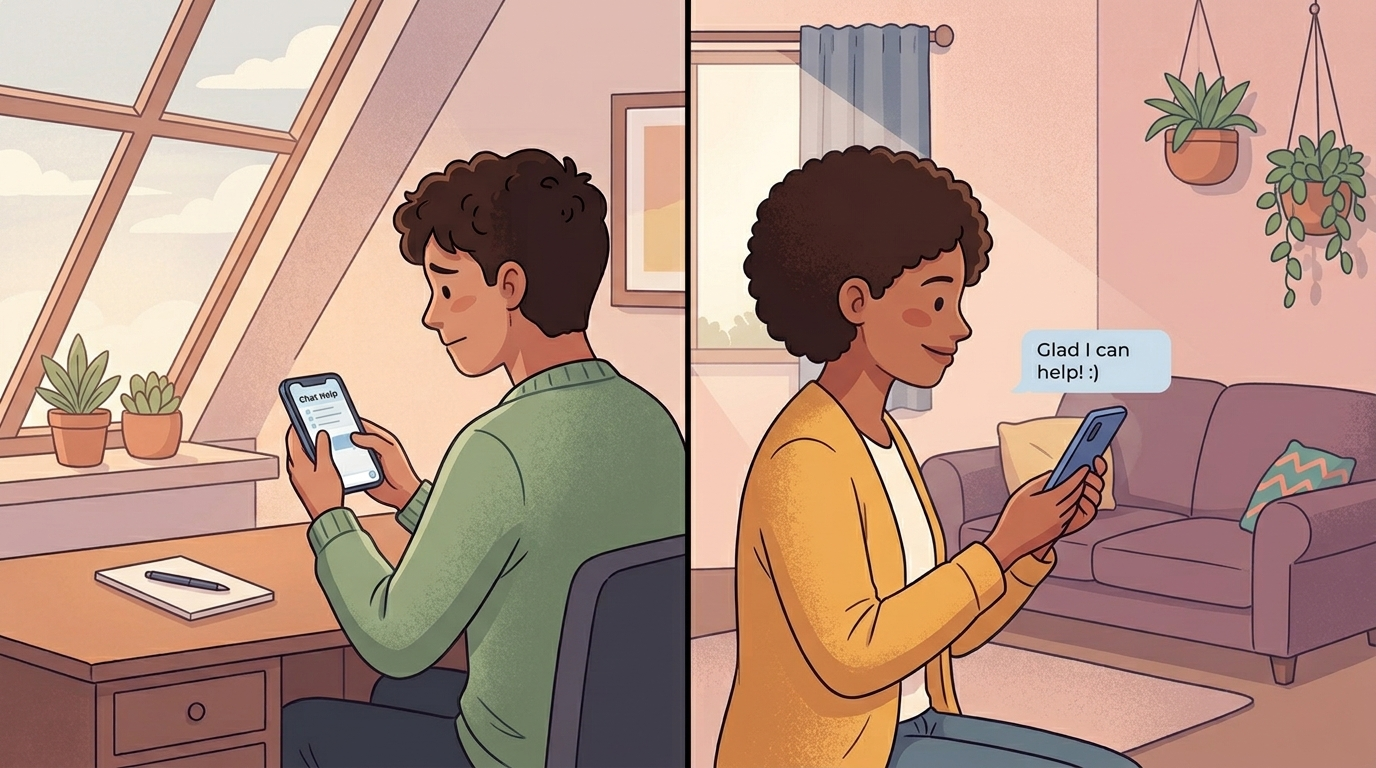
You typed the message at 3 a.m. Deleted it. Typed a shorter one, then a joke version, then sent a thumbs-up emoji to a totally different chat instead. Sound familiar? Plenty of us carry a quiet rule: handle it alone, keep it light, never be the heavy one in the group thread. From the outside it looks like strength. From the inside it feels like holding your breath for years. This piece is about where that rule comes from, why your brain keeps enforcing it, and how to loosen its grip without blowing up your social life. No lectures. Just what the research says, what it actually feels like, and a few small moves that work.
I’m a researcher who studies social psychology and the way young people build, test, and sometimes armor themselves against close friendships. Most of my days go to listening to Gen Z explain why “I’m struggling” is the hardest sentence to say.
The Root of Hyper Independence Trauma and Self Isolation
Nobody wakes up one morning and decides to stop needing people. It’s learned, and usually early. Maybe a parent sighed every time you brought up a problem. Maybe someone else’s crisis always ate the oxygen in your house, so your needs got filed under “later.” Maybe you were the “mature one,” the kid who never caused trouble. Kids adapt to what they get: if asking brought irritation or silence, the logical move is to stop asking.
Psychologists describe the adult version as hyper independence trauma, a protective pattern where self-reliance is less a preference and more an alarm system that never switches off. Research on attachment and avoidance, much of it indexed in the NCBI database , links unreliable early caregiving with adults who pull away exactly when they need closeness most.
The strange thing is that the skill works. Independence gets praised. Teachers call you reliable, friends call you the strong one, and every compliment nails the pattern a little deeper into the floor. Nobody checks on the person who always seems fine.
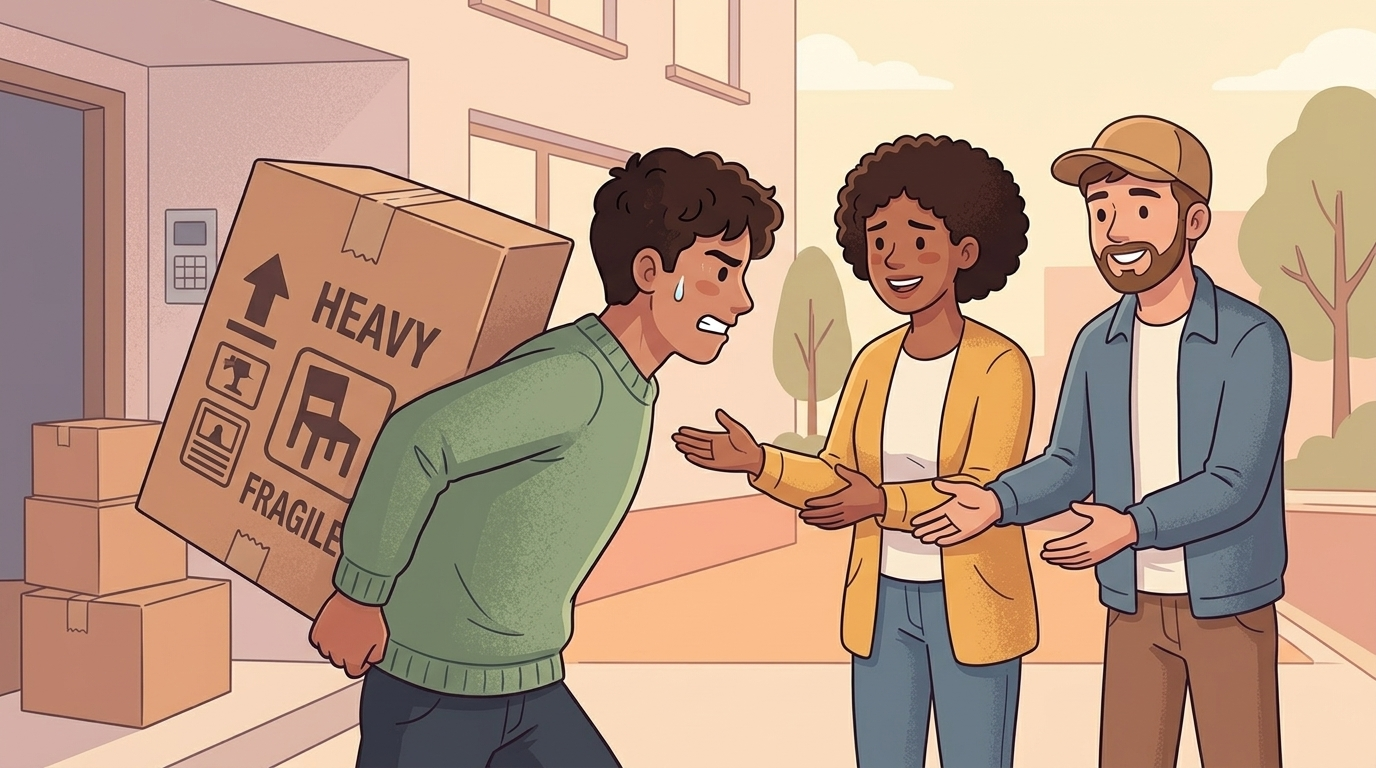
So you grow up fluent in coping and illiterate in asking. Group project? You do all of it yourself. Moving apartments? You haul the couch down three flights alone rather than text anyone. And when things get heavy, the question loops: why do I feel like a burden when nobody has ever said that to me? Because the voice saying it isn’t your friends’. It’s an old recording, still playing.
Emotional Overregulation and the Fear of Taking Up Space
Here’s the part nobody warns you about. Staying calm all the time isn’t the same as being okay. Emotional overregulation means you clamp down on feelings so hard that you edit them before anyone sees: the “just tired, honestly” reply, the laugh that arrives half a second too early, the meme sent in place of what you really meant. It’s exhausting, and it’s invisible, which is the point.
Underneath sits a fear of taking up space, the conviction that your problems are too big, too boring, or too much for the room. You rank your pain against everyone else’s and decide you don’t qualify. Someone’s parent is sick, so your terrible week shrinks to nothing. Someone lost a job, so you swallow yours. The scoreboard never lets you win, and that’s why it feels safe: if you never claim a turn, nobody can tell you your turn is over.
Ask yourself why do I hate asking for help, and the honest answer is rarely pride. It’s math. Every request feels like a debt you’ll owe forever, and you’ve already decided you can’t afford the interest. So you pay in other currencies: sleep, patience, the quiet ache of a weekend spent pretending you’re busy so nobody offers to come over and notices you aren’t.
How Hypervigilance in Friendships Keeps You Silent
Then there’s the radar. Hypervigilance in friendships looks like this: a reply comes in shorter than usual and your stomach drops. A friend ends a text with a period. Someone leaves you on read for six hours, and by hour four you’ve scripted the entire falling-out. Notifications on silent, and you still check.
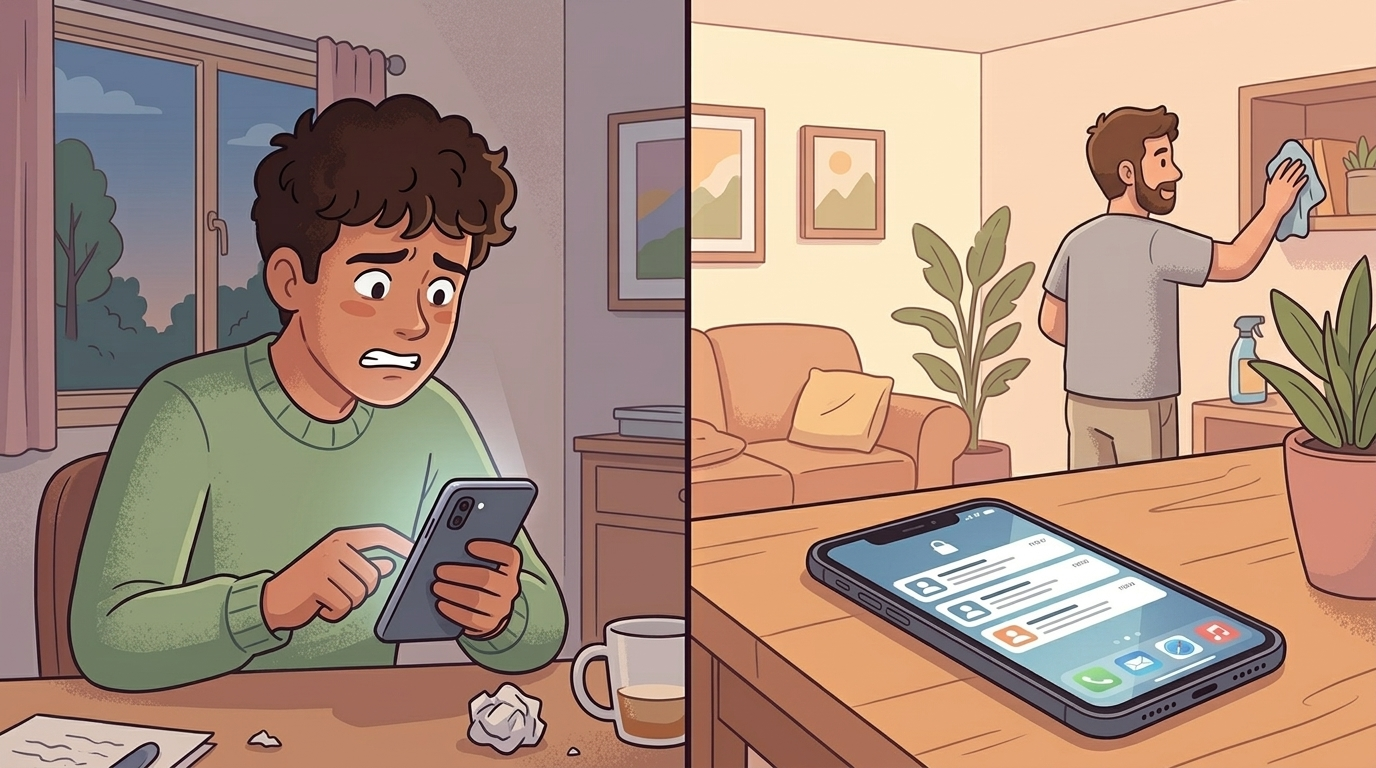
The radar was built to protect you. It just can’t tell “tired” from “tired of you,” so it picks the worst reading every time, and the worst reading says: don’t add to their load. Researchers studying rejection sensitivity and social anxiety, with a deep archive in APA PsycNet , find that people braced for rejection tend to read neutral cues as hostile, then withdraw, which creates the very distance they feared.
The loop feeds itself. The fear of being a burden keeps you quiet, quiet looks like disinterest, and disinterest seems to confirm the fear. Meanwhile, feeling like a burden to friends often has little to do with what those friends think. Most of them have been wondering where you went. Think about the last time a friend finally told you something hard. Did you feel crushed by it, or a bit honored that they trusted you? Hold your friends to the same generous standard you’d give a stranger, and the math starts to look different.
Practical Ways to Share Your Feelings Without Shame
Start smaller than feels respectable. Not a confession. A crack in the door.
- Send a weather report. “Rough week, not looking for advice, just wanted someone to know.” You’re asking for a witness, not a rescue.
- Ask before you unload. “Do you have room for something heavy tonight, or should we pick another day?” Their yes now means something.
- Make one tiny ask first. A ride, a song recommendation, ten minutes on the phone. Small asks collect proof that people don’t vanish.
- Send it before the editor wakes up. The draft you’d delete at 3 a.m. is usually the honest one. Return the favor without keeping score. Not as payment. Just the ordinary back-and-forth friendships run on.
Some days it won’t land the way you hoped. A friend might be distracted or clumsy with words. That’s information about their bandwidth that day, not a verdict on your worth. Try again in a week, with a different person if needed. Vulnerability is a muscle, and the first rep is always the shakiest one.
Finding Anonymous Emotional Support Beyond Your Circle
Sometimes the people you love are stretched thin. Sometimes the lump in your throat won’t let a single word out. That’s when anonymous emotional support can work as a bridge: no history to protect, no audience to manage, nothing to explain from the beginning.
YourSecret is built for exactly that moment. You talk to a real person, anonymously. No statuses, no profile photos, no reputation to guard, and no favor to repay afterward. If your fear is being too much, there’s nobody to be too much for. You say the thing, get heard, and close the app. For many people it’s the first rehearsal of saying it out loud, which makes the next conversation with a friend a little less terrifying.
Fun Fact: In a 2018 study, Anna Bruk and colleagues described the “Beautiful Mess Effect.” People judge their own vulnerability as weak and messy, yet see the same openness in others as brave. We consistently overestimate how harshly we’ll be judged.
Frequently Asked Questions
Why does asking for small favors feel like a personal failure?
If you learned early that needing things made you a problem, every request replays that lesson. The favor isn’t the issue. The old meaning attached to it is.
How can I tell the difference between healthy sharing and trauma dumping?
Healthy sharing checks in first, leaves room for the other person, and doesn’t expect them to fix anything. Dumping ignores capacity and treats a friend like a therapist. Asking “do you have space?” keeps you on the right side.
Why do I assume my friends are annoyed with me when their texts get shorter?
Your threat radar fills silence with the worst story. Shorter texts usually mean busy, tired, or typing one-handed in a checkout line.
Can hyper-independence ruin close friendships over time?
Slowly, yes. Friends stop offering when you always decline, and closeness thins out when only one side is ever allowed to be seen. It’s reversible, though. Letting one person help with one small thing is often enough to restart the whole exchange, because most friends have been waiting for an invitation.
What is a gentle way to check if a friend has the emotional capacity to listen?
Try: “I’ve got something on my mind. Is now okay, or would later be better?” It gives them an easy exit, which makes a “yes” honest.
How does anonymous venting help if it doesn’t solve my actual problem?
Putting a feeling into words, even to a stranger, calms the nervous system. The pressure drops enough for you to think clearly and decide who to tell next.